Repair or Replace Your Roof: Coastal Texas Guide
The honest repair-versus-replace framework for coastal Texas: when a repair wins, when replacement wins, and when carrier pressure decides.
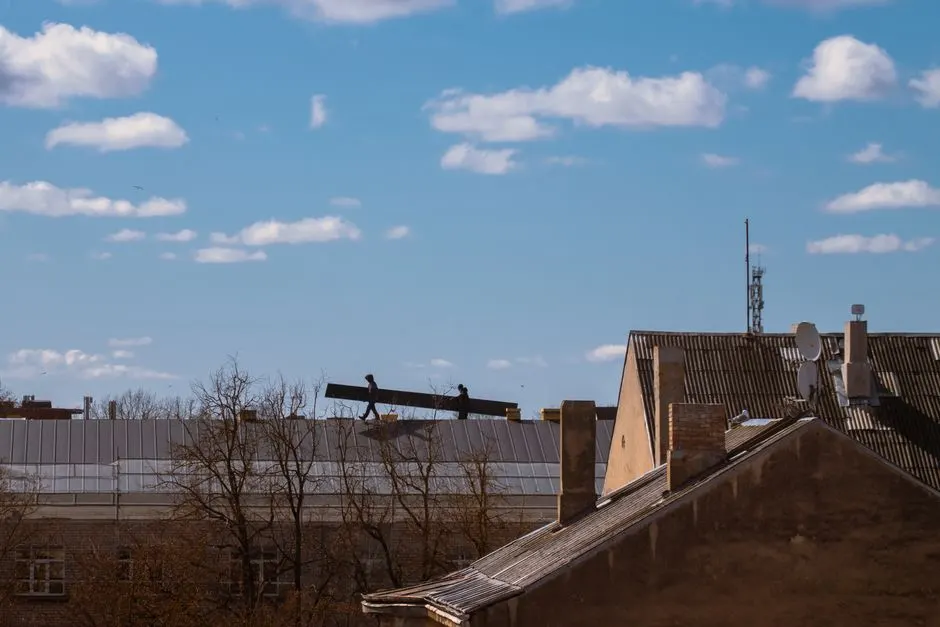
Repair your roof when it is sound with one damaged area and years of life left, and replace it when failures appear in several areas, the decking is soft, or a carrier deadline forces the issue. That single framework answers most coastal Texas decisions, and the rest of this guide fills in the grey zone: age windows, storm history, insurance pressure, and honest cost comparison.
The Decision Table
The framework used on inspections is deliberately simple, because complicated frameworks get ignored. A sound roof with one damaged area, flashing, pipe boot or a few shingles, and years of life left should be repaired, photographed before and after, with documentation kept for the carrier. A roof in the 12 to 17 year coastal window with failures in several areas should be replaced on your schedule, before a storm or a carrier deadline decides for you.
Carrier or TWIA pressure changes the sequence but not the honesty: get the evidence first with a documented inspection, then decide, replacing once to windstorm code with WPI-8 paperwork if you proceed, so you solve the carrier problem without creating a TWIA problem. Granule loss everywhere, curling shingles and soft or rotted decking in spots mean replace, since repairs on a dead roof are money thrown at a countdown. And previous storm damage that was paid but never actually fixed should be fixed now, because unrepaired prior damage is the fastest route to a denied next claim.
When Repair Is Clearly Right
Repair wins when the field is sound and the failure is local. A chimney flashing leak on a 10-year-old roof, a cracked pipe boot staining one bathroom ceiling, a wind-lifted section after a storm on an otherwise healthy field, all of these are detail failures, and detail failures deserve detail rebuilds. Most such repairs land between $350 and $1,850, are completed within a day or a week, and leave the roof with years of service ahead.
The test is field condition plus age. If granules are still present across the field, shingles lie flat, decking is firm and the roof sits comfortably inside its coastal lifespan band, repair is not a compromise, it is the correct technical answer. A roofer recommending replacement for a sound roof with one failed boot is selling, not diagnosing, and an itemized repair quote with photos is the proof that distinguishes the two.
When Replacement Is Clearly Right
Replacement wins when failure is field-wide rather than local. Granule loss everywhere, curling across whole slopes, multiple prior patches that keep failing, soft decking in several spots, and a roof age inside or beyond the 12 to 17 year coastal window together mean the system is finished, even if no single leak looks dramatic yet. At that point each additional repair buys less time than the last, and the honest recommendation is a full system replacement.
Replacement also wins when the roof's age has become an insurance problem in itself. Carriers forcing action, TWIA actual cash value treatment on older roofs, and sale or refinance stalls all point the same way: replace once, to windstorm code, with documentation, and reset the age clock, the coverage position and the resale record together. Replacing under that pressure is unpleasant, but replacing on your own schedule before the deadline arrives is almost always cheaper and calmer.
The Grey Zone: Age, Carriers, and Storm History
Most real decisions live in the grey zone, where the roof is neither obviously sound nor obviously finished. A 13-year-old roof with two prior patches and a new leak could go either way, and the deciding evidence comes from inspection: decking firmness, granule coverage across the field, flashing condition, ventilation state and storm history together. Two roofs of identical age can honestly receive opposite recommendations on that evidence, which is why age alone never decides.
Carrier pressure deserves special care in the grey zone. A carrier demand is not automatically proof that replacement is technically required, and it is not automatically unfair either. The correct response is evidence first: a documented inspection answering the carrier's exact requirement, then a decision based on condition plus deadline. Storm history cuts the same way: paid-but-unfixed damage tips grey-zone roofs toward replacement, because the next claim will be judged against the unfixed record.
Cost Comparison: Repair Now Versus Replace Once
Cost comparison must count cycles, not single jobs. A $1,200 repair that holds for five years beats a $15,000 replacement for a sound roof, while three $1,200 repairs over three years on a dying roof cost more than the replacement they delayed, before counting interior damage and insurance friction. The honest comparison therefore prices the repair, its expected life, the replacement, and the risk of interim damage together.
Use the published bands as anchors: repairs $350 to $1,850, replacements $9,000 to $25,000 with architectural shingles, metal $21,000 to $45,000. A repair under $1,000 on a roof with eight-plus years of honest life remaining is almost always right. A repair approaching $1,850 on a roof with two years of life remaining is almost always wrong. Between those poles, inspection evidence, not salesmanship, should decide.
Common Mistakes
The costliest mistake is patching a dead roof, spending repeatedly while decking rots and interior damage spreads, then paying full replacement anyway. The mirror mistake is replacing a sound roof under pressure, whether from a storm-chasing salesperson or a carrier letter answered without evidence. A third mistake is ignoring documentation entirely, so that whichever choice is made, no photo record exists for the carrier, the buyer or the next roofer. A fourth is comparing lump sums instead of itemized scopes, so the cheapest repair quote wins despite omitting the very detail that failed.
All four mistakes share one cure: inspection first, itemized scope second, decision third, documentation throughout. That order protects homeowners from both overselling and under-repairing, and it is the order every page on this site follows.
What to Do Next
Book a documented inspection and ask for the decision-table answer explicitly: repair, replace or monitor, with reasons and photos. If the answer is repair, confirm the scope on Roof Repair in Corpus Christi and the current bands on Roofing Cost Corpus Christi in Corpus Christi. If the answer is replacement, compare materials and windstorm documentation through Roof Replacement in Corpus Christi and Roof Inspection in Corpus Christi, and check the remaining questions on Roofing FAQ in Corpus Christi. Either way, the decision should be yours, made on evidence, on your schedule, and in writing.